Start Your Wellness Before January: Why November Is the New New Year
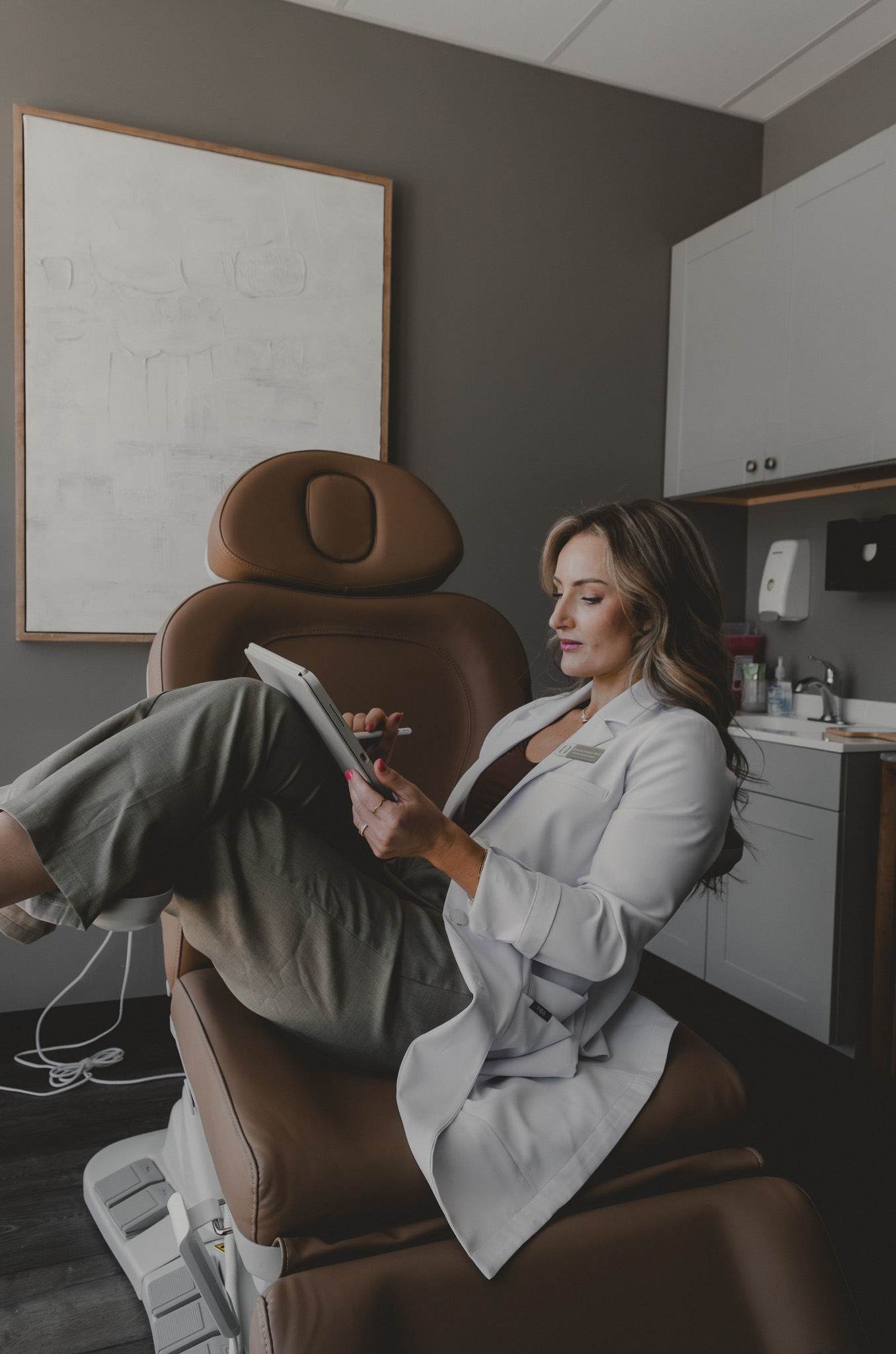
Every January, the same thing happens. We pack up the Christmas decorations and promise ourselves we'll eat better, move more, and finally take our health seriously.
New gym membership? Check. New workout clothes? Check. A fridge full of vegetables we're absolutely going to eat this time? Check.
Every year, about 3 in 10 Americans make a New Year’s resolution, and most of them are about health. But research suggests nearly 60% of people abandon their resolutions within six months, and only about 1 in 5 are still going two years later. APA, Pew Research
So here’s my question: Why are we waiting until January to start feeling better?
I've learned the best time to start isn't when the calendar says so. It's when YOU decide you're ready. And I think November might be the most underrated month to begin.

Why November Beats January (Especially If You Live in Texas)
In most of the country, June marks the start of summer. In Texas? That's adorable.
By May, we're pulling out the shorts, tank tops, and swimsuits. The pools are open and lake weekends are on.
That's why I love starting your wellness journey in November.
Start now, and by January you've already spent two months building healthier routines. While everyone else is writing resolutions, you're already living yours. You might even have time to enjoy shopping for summer clothes instead of panic-ordering two weeks before your beach trip.
This isn't really about looking better in a swimsuit. It's about feeling better in your own skin, with the energy to enjoy that vacation and the strength to keep up with your kids or grandkids.
The Holidays Don't Have to Derail Your Health
Many people assume November and December are a lost cause. Thanksgiving dinner, Christmas parties, cookies everywhere. I get it.
But you don't have to choose between enjoying the holidays and taking care of yourself. The goal isn't perfection. It's supporting your health while still enjoying your life.
What Happens During Your First Wellness & Longevity Consultation at Kairos?
At Kairos, Wellness & longevity medicine is about looking beyond your symptoms and understanding the bigger picture of your health.
We're not just interested in how long you live. We're interested in how WELL you live.
Step 1: We Start With Your Story
Before we talk about labs or treatment plans, I want to hear about you. How are you sleeping? How's your energy? Are you dealing with brain fog, weight changes, or a body that isn't responding the way it used to? And most importantly, what are your goals?
Step 2: We Look Beneath the Surface
Depending on your goals, we may recommend lab work.
Our longevity panel looks at several systems that work together to shape how you feel day to day:
- Heart and metabolic health: lipid panel, hemoglobin A1c, fasting insulin, and a comprehensive metabolic panel
- Inflammation: C-reactive protein and homocysteine
- Thyroid: TSH, free T4, free T3, and thyroid antibodies
- Hormones: estradiol, progesterone, testosterone, FSH, LH, and DHEA-S
- Stress and repair: morning cortisol and IGF-1
- Nutrients and blood health: vitamin D, vitamin B12, and a complete blood count
Your thyroid, hormones, blood sugar, and stress levels all talk to each other, so we look at the whole picture.
Step 3: We Create a Plan That Makes Sense for Your Life
We review your findings together and build a personalized plan. That might include nutrition, resistance training, sleep, metabolic health strategies, or hormone therapy when clinically appropriate.
My philosophy is simple: we build the foundation first, then consider what additional tools may help. You don't need twenty supplements and a lifestyle that requires quitting your job. You need a plan that's realistic, medically appropriate, and sustainable.
Step 4: We Monitor, Adjust, and Keep Moving Forward
Longevity medicine isn't a one-and-done appointment. Follow-up visits let us review your progress, check relevant markers, and refine your plan. We're working toward meaningful improvements in how YOU FEEL & FUNCTION.
Who It's a Good Fit For
You don't have to be sick to want to be healthier.
Some of my favorite patients walk in saying, "I have no idea where to start." That's exactly what this is for.
It may be a great fit if you're dealing with:
- Fatigue or low energy that no amount of coffee seems to fix
- Weight that won't budge, even when you feel like you're doing everything right
- Low libido that's affecting your intimacy or your relationship with your partner
- Hair thinning or hair loss
- Adult acne or skin changes
- Brain fog, restless sleep, or mood shifts
These symptoms can have many different causes, and a thorough evaluation helps us understand what's behind yours.
It may also be a great fit if you:
- Feel "off" but can't quite put your finger on why
- Want to be proactive about your health instead of waiting for a problem
- Want a plan built around your real life, not a one-size-fits-all program
If you're nodding along to even one of these, we should talk.
Your Future Self Will Thank You for Starting Now
January isn't magical. Nothing about January 1st makes you more capable of change than November 1st.
Imagine heading into January already confident in your habits, then enjoying those Texas summer days with more energy and confidence. Not because of some extreme program, but because you gave yourself time to build something sustainable.
The goal isn't to get ready for summer. It's to build a healthier life you can enjoy for many summers to come.
Ready to get a head start? Text our Kairos team at (972) 236-7523 to schedule your first wellness & longevity consultation. Let's make November the month you stop waiting and start investing in your future self.
About Your Provider
I'm Danielle Parker, NP-C, a board-certified nurse practitioner with over a decade of experience in the medical field. I'm passionate about helping people take a proactive, personalized approach to wellness and longevity so they can truly improve their quality of life. At Kairos, I focus on understanding the whole person, not just isolated symptoms or lab results, and building sustainable plans that support long-term health.